

Tools
- Digital innovations
- Initial GLM support methods (life plan)
- GLM in-depth methods (capabilities, internal & external skills)
- Good practices — GLM Fidelity Guide (FID-GLM)
01
Digital innovations
The official glm application
ARCA develops official digital tools to support the implementation of the GLM in professional practice — including the official digital application of the francophone GLM.
Official GLM Application
Digital tool · ARCA
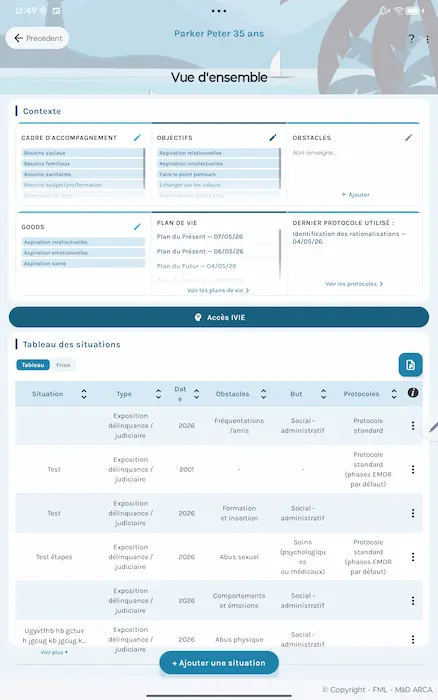
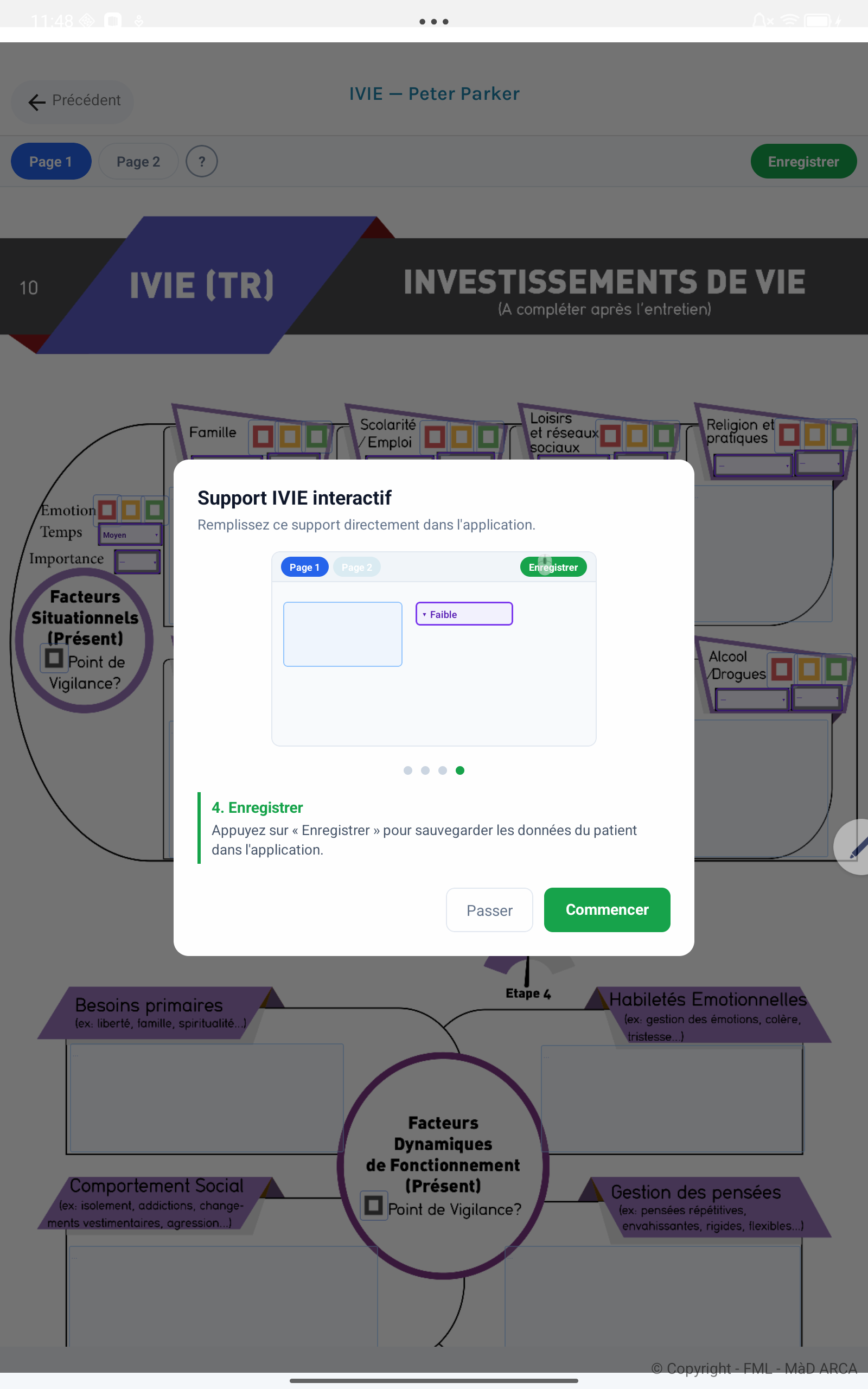
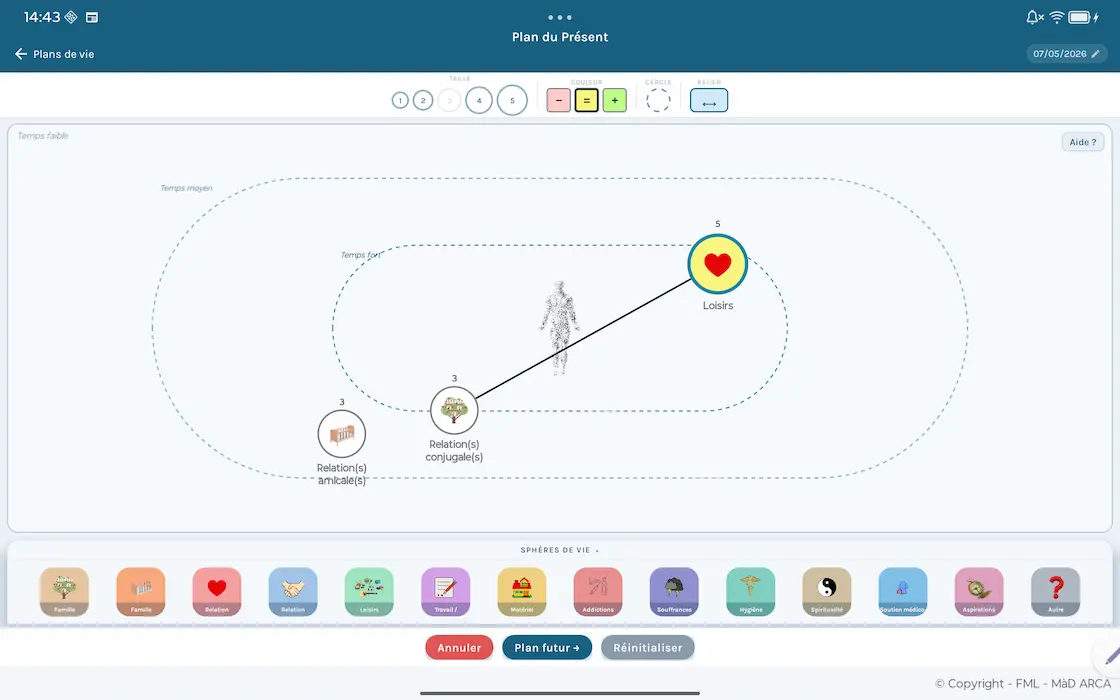
GLMApp is a psycho-criminological support tool designed for GLM-certified practitioners. Its core objective is to reduce the risk of reoffending by working on the person’s life situations and obstacles within the Good Lives Model framework.
The application brings the GLM to life through interactive and visual support on a tablet. The practitioner and the person in their care can:
Map priority primary goods together
Identify risk contexts, resources and goals
Co-construct good life scenarios and monitor their implementation
The app draws on concepts from EMDR (SUD scale 0-10, VOC 1-7, negative/positive cognition distinction), applied within the Good Lives Model in positive criminology.
Life plan
Note-taking
PDF export
Automatic protocol suggestion
Progress tracking per individual

FRED – Virtual reality
VR Software · ARCA
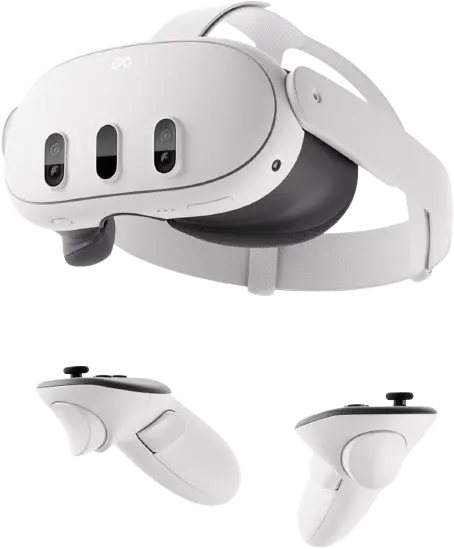
FRED is the virtual reality software developed by ARCA from 2016 onwards, used within the GLM support framework.
FRED immerses the person in a calming, immersive and secure environment. It is a co-construction tool for the person’s life plan: they materialise and share with the practitioner a representation articulating their current experience, future projections and evolving support plan.
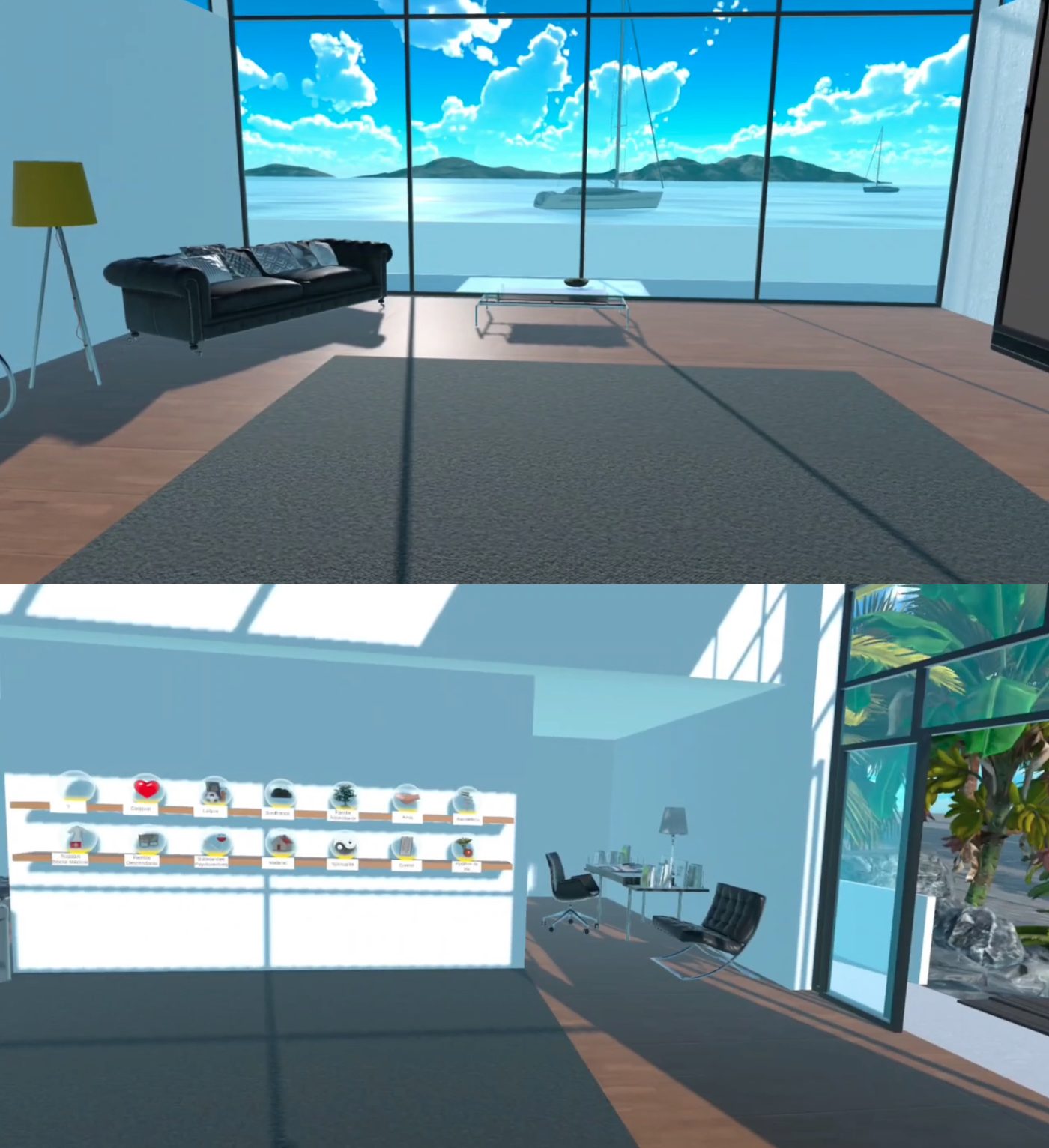
Designed with a person-centred approach, FRED encourages rapid and non-intrusive engagement towards reflection and change.
Use cases
- Free visualisation and arrangement of life domains (family, relationships, leisure, work, aspirations…)
- Identification of dissonances between current lifestyle and identity
- Construction of a personalised future life plan, with intermediate steps and resource development
- Monitoring the evolution of the life plan across sessions
02
Initial GLM support methods (life plan)
Individual interviews & group programmes
The GLM adapts to both individual and group work — in institutional and custodial settings, in community settings or in prevention contexts.
Latest generation interactive individual materials GLM-F (Neo, Spheres)
Neo : workbook for visual & interactive life plans (present/future, goods, risk factors and skills)
Spheres : life plan in chess game format.
Individual support, first generation questionnaire GLM-C (Paci-o)
Paci-o : questionnaire for gathering goods and conducting interviews around alternatives.
Group support (life plan module)
Groupe : 2 to 4 sessions around life plans, goods, risk factors and skills.
Digital support (GLMApp, FRED)
GLMApp : application for initial and in-depth GLM support (life plan & skills).
FRED : GLM life plan support in virtual reality.
03
GLM in-depth methods (capabilities, internal & external skills)
Individual interviews & group programmes
The GLM adapts to both individual and group work — in institutional and custodial settings, in community settings or in prevention contexts.
Individual & group support modules
Module: readiness to change (motivation) & life trajectories (identity)
Individual & group sessions (3 to 5 sessions).
Module: goods, cognitive distancing & risk factors
Individual & group sessions (3 to 5 sessions).
Module: adversity-informed approach (emotional & relational skills)
Individual & group sessions (3 to 5 sessions).
Module: future perspectives & desistance
Individual & group sessions (3 to 5 sessions).
Complete individual & group support programmes
GLM programme linked to criminological issues (impulsivity, youth, trafficking…)
Comprehensive framework programme (TIM-E) of the GLM applicable to sexual violence, domestic violence, minors (interventions derived from G-MAP), impulsivity and violent behaviour, trafficking and substance use issues…
GLM programme linked to restorative justice & desistance / resilience
Desistance mentoring programme (PPD), official programme of the French Ministry of Justice.
Resilience mentoring programme (PPR), official French health programme.
GLM programme linked to violent radicalisation (supremacists, religious, political, gender separatists…)
Césure / 3C2D programme (3 Circles to Desistance), European Commission coordination France-Belgium-Italy.
GLM programme linked to mental health (complex trauma, oncology)
Programmes derived from GLM-DFA reflections (Oracle programme) within the framework of complex trauma care (C-PTSD).
Extended since 2024 to post-remission oncology (Janus).
04
Good practices — GLM Fidelity Guide (FID-GLM)
Official fidelity tool for the Good Lives Model
ARCA developed the Official GLM Fidelity Guide (FID-GLM), with the agreement and on the basis of the international board’s work. This guide has since been translated and used by various international advisors.
Designed as a supervision support tool in a spirit of continuous improvement, it accompanies the implementation of the GLM across all medico-legal and correctional treatment settings. It is structured into three sections:
Section 1 – Foundational Considerations and Processes
Professional qualities, spirit of treatment delivery, clinical skills fostering change, active seeking of feedback from individuals in care.
Section 2 – GLM-Specific Considerations
Good life goals, conceptualisation of risk factors, primary needs involved in offending, obstacles to achieving the life plan.
Section 3 – Global GLM Considerations
Reflective questions for supervisors and practitioners: past and present needs, obstacles, warning signs, recognition of progress.
Request access to the FID-GLM document (version 2)
2023 version – ARCA